Cleanliness is next to Godliness
From the Desk of the H.O.D., Pastor Tunde Abdullai
H.O.D., URGES RCCG MEMBERS TO ADHERE TO HEALTH GUIDELINES AMID CHOLERA CONCERNS.
Emphasizing the importance of preventive measures, Pastor Abdullai, a staunch advocate for cleanliness and health, reiterated that “prevention is better than cure.” He also prayed that no member of the RCCG family would fall victim to the disease, but stressed the necessity for proactive efforts from everyone.
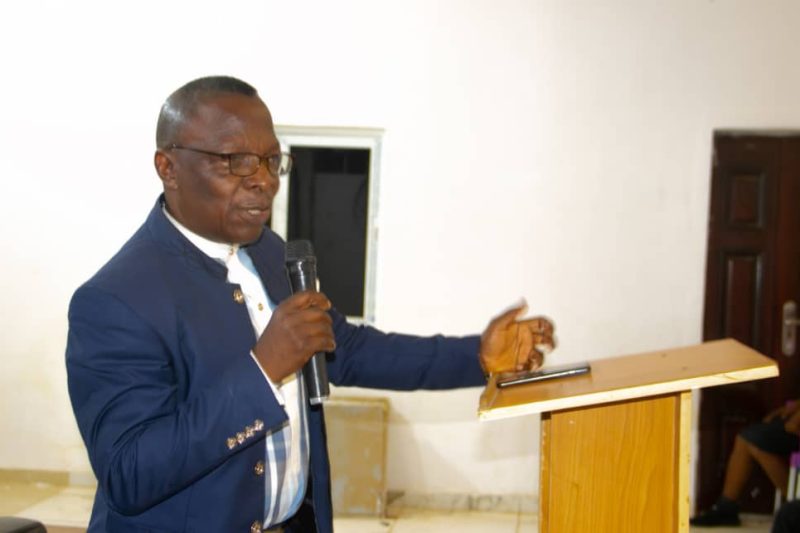
Pastor Tunde Abdullai, the National Head of Sanitation for the Redeemed Christian Church of God (RCCG), has issued a call to all members in Lagos State and across Nigeria to strictly adhere to health guidelines provided by the State Ministry of Health in response to a recent cholera outbreak. In light of the outbreak, Pastor Abdullai has mandated all sanitation ministries within the RCCG's regions, provinces, zones, areas, and parishes to educate their congregations about the situation. This directive aims to ensure that all members are aware of the risks and the necessary steps to prevent the spread of cholera.
The urgency of this call comes as the Lagos State Government has raised alarms over an increase in severe gastroenteritis cases in the state. Over the past 48 hours, there have been numerous reports of severe vomiting and diarrhea, predominantly in communities around Eti Osa, Lagos Island, Ikorodu, and Kosofe LGA. So far, these cases have led to around 60 hospital admissions and five deaths, primarily due to late presentations with extreme dehydration.
Lagos State Commissioner for Health, Professor Akin Abayomi, confirmed that the state has activated a heightened surveillance and response system. The Ministry of Health, alongside the Lagos State Environmental Protection Agency (LASEPA), is investigating potential sources of water contamination in the Lekki Victoria Island axis. Preliminary suspicions point to a cholera outbreak, pending confirmation from collected samples. Nationwide, Nigeria has reported 815 suspected cholera cases and 14 deaths across 25 states as of April 28, 2024.
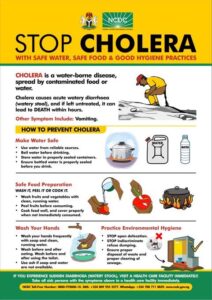
Cholera, a highly contagious disease characterized by severe diarrhea, vomiting, rapid dehydration, and muscle cramps, poses a significant threat, particularly in areas with poor water treatment and sanitation. Professor Abayomi explained that cholera is transmitted through contaminated food or water and poor sanitation practices. Immediate rehydration using Oral Rehydration Salts (ORS) or intravenous fluids is critical for treatment, depending on the severity of dehydration.
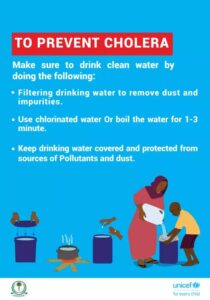
Preventive measures are crucial to control the spread of cholera. Citizens are advised to ensure safe drinking water by boiling, chlorinating, or using bottled water, and to avoid ice products made from untreated water. Maintaining proper sanitation, such as using toilets, safely disposing of feces, and avoiding open defecation, is essential. Good hygiene practices, including regular handwashing with soap and clean water, especially before meals, food preparation, and after using the toilet, are vital.
The Commissioner urged the public to rely on official health sources such as the Lagos State Ministry of Health, the Nigeria Centre for Disease Control (NCDC), and accredited local health facilities for guidance and updates on cholera prevention and treatment. Suspected cases should be reported promptly via emergency hotlines provided by the state.
In conclusion, Professor Abayomi assured the public of the government’s commitment to maintaining public health and called for community-wide adoption of preventive measures. “We urge everyone to adopt these preventive measures and report any suspected cases promptly to safeguard our communities,” he stated.
Pastor Tunde Abdullai’s call to action underscores the importance of community vigilance and cooperation in combating the cholera threat, aligning with the government’s efforts to protect public health.
TAIRU OLAITAN, THE NATIONAL MEDIA DIRECTOR, REPORTING.